The fifth and final week of Murakami Fest 2026. See previous entries here.
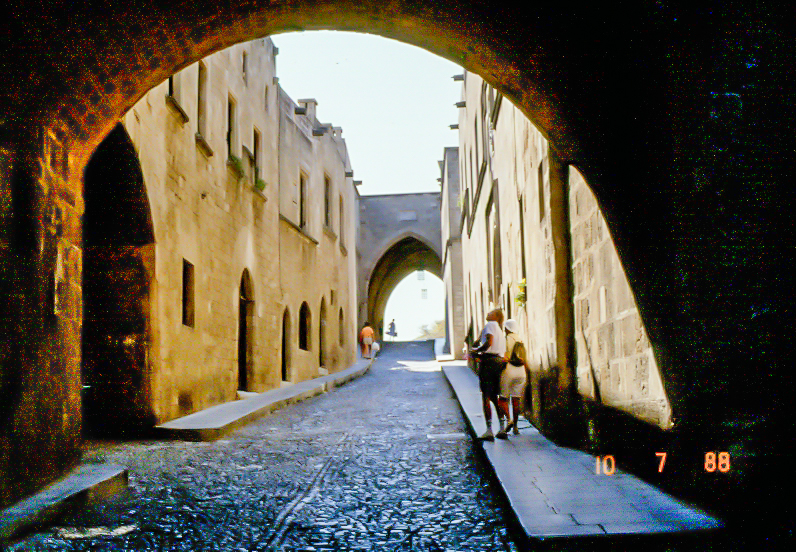
The next chapter is “Rhodes” (ロードス), and as the title suggests, the Murakamis spend a few weeks on the island of Rhodes, at the expense of the Greek government. Apparently Murakami was invited to participate in a photography exhibit in Tokyo, and he agreed when they let his wife take the photos. (I’d be so curious to know whether any photos from this exhibit can be tracked down. Anyone fluent in Greek and looking for a research project?) There seem to be very few requirements other than taking the photos, so it sounds like they spend their time mostly eating on the island. They previously visited Rhodes in the off season, but Murakami didn’t write about it.
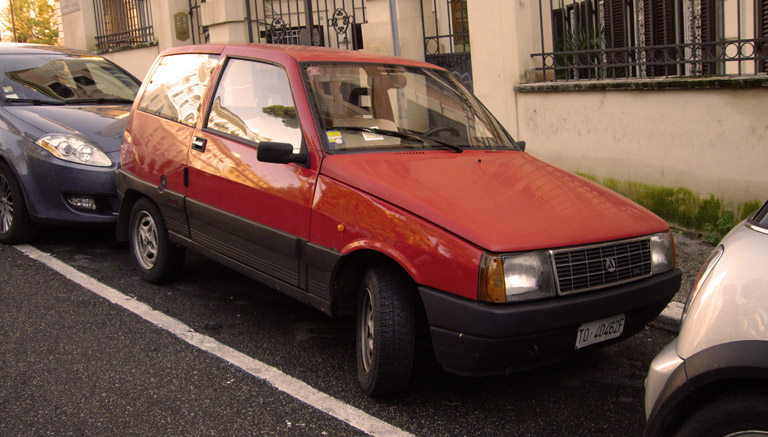
Murakami rents a busted Fiat and they drive around the island. Murakami spends time describing a couple restaurants, including a grill that they go back to multiple times for fish (sneaking in their own soy sauce). They also go to dinner with the owner of a hotel who discusses how dire the tourism situation is in Greece. Anything can end up affecting how many people visit, from terrorism to infectious diseases.
In terms of technique, Murakami uses distal style sentences to relay his conversation with the owner. It’s not quoted dialogue exactly—nothing is marked with quotes—but you get a sense of their back and forth even within the paragraphs. Very interesting technique.
I thought I’d share this passage about a restaurant that seems to be home to a flock of peacocks, which has a literary connection:
暇にまかせてけっこう島の隅々まで回った。僕が気に入ったのはエプタ・ピゲス(七つの滝)というレストランである。この店はリンドスに行く道路を途中で右に曲がった山の中にある。これは実に不思議なレストランで、美しい渓流に沿ってテーブルが並んでいる。ウェイターは料理を持って岩から岩へとひょいひょいと飛び移って給仕する。グリル料理が売りもので、調理場の煙突からは肉や魚を焼く煙が元気良くたちのぼっている。なかなか良い匂いもする。それからここには孔雀がいっぱいいる。どうしてこんなところに孔雀が存在するのかはよくわからないけれど、とにかくーダースくらいの数の孔雀の群れがしっかりと林に住み着いているのである。レイモンド・カーヴァーの短編小説に『羽根』というのがあって、そこに半分野生化した孔雀の話が出てくるのだけれど、ここに来て僕にもその話の雰囲気がよく理解できた。孔雀たちが枝にとまって、テーブルの客を見下ろしながら、その小説そのままに「メイオー、メイオー!」とわめくのである。そういえばカーヴァー氏もロードスに来たことがある。彼はずいぶんこの島が気に入ったらしく、ロードスを題材にしていくつか詩も書いている。あるいは彼もこのエプタ・ピゲスに来て孔雀を見て、あの話を思いついたのかもしれない。ふとそんなことを考えてしまった。そんなこんなで料理の味がどうだったかはすっかり忘れてしまった。まあ悪くはなかったと思うけれど。 (386-387)
Availing ourselves of our free time, we went around the nooks and crannies of the island pretty extensively. I really liked this restaurant called Epta Piges (Seven Springs). It’s up in the mountains if you take a right off the road on the way to Lindos. Epta Piges is a truly bizarre restaurant with tables set along a mountain stream. The waiters leap from rock to rock carrying the food when they serve it. Grilled meat is their specialty, and billows of smoke from grilled meats and fish puff out from the stovepipe above the grill. It smells incredible. They also have a lot of peacocks. I have no idea why they have peacocks in a place like this, but a group of a dozen or so peacocks have settled in the nearby forest. Raymond Carver has a short story titled “Feathers” that features a semi-feral peacock. Having visited this restaurant, I had a much clearer understanding of the atmosphere of the story. The peacocks sit in the tree branches staring down at everyone at their tables and screeching “May-awe, may-awe!” just like in the story. Come to mention it, Carver visited Rhodes. Supposedly he liked the island quite a bit and wrote several poems about Rhodes. Maybe he came to Epta Piges, saw the peacocks, and had the idea for the story. I started wondering about that. With all of that going on, I completely forgot what the food was like. I don’t think it was that bad.
Murakami really is obsessed with Carver. You can find a copy of “Feathers” on the internet, but I haven’t been able to track down any of the poems other than this explication of the poem “Rhodes,” which is interesting but doesn’t really provide much of the flavor of the original poem, unfortunately.
Epta Piges the restaurant is still around and seems to be doing quite well, judging from the website. Has anyone actually been?
And that’s all there is of Murakami Fest 2026. Thanks for joining in. See you again next year, unless I decide to blog about Distant Drums again sometime sooner.